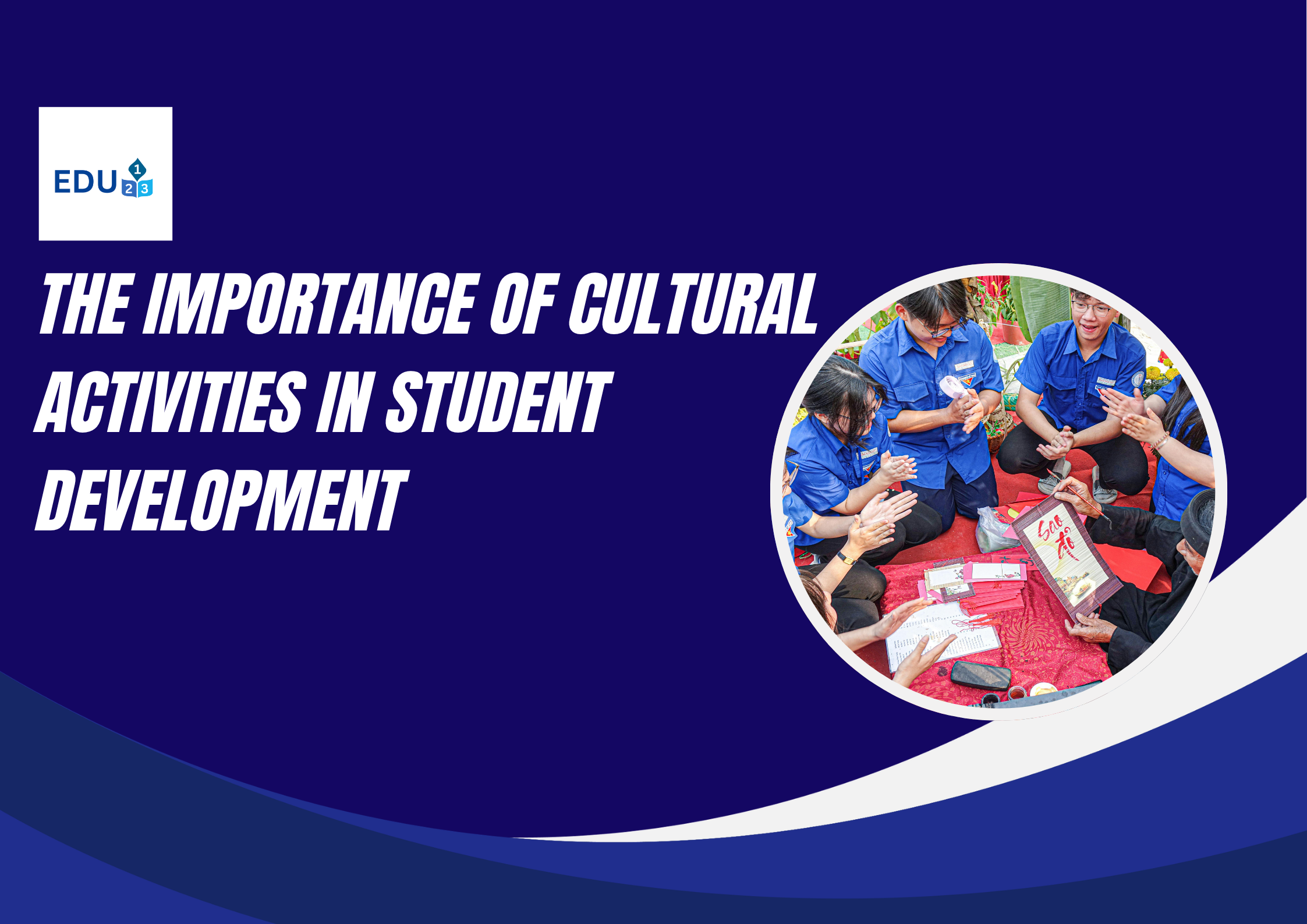

Cultural activities play a transformative role in student development by nurturing creativity, empathy, confidence, and 21st-century skills. When schools and educators integrate cultural activity into daily learning, students gain deeper self-awareness, stronger community connections, and improved academic engagement. From theater and music to traditional dance and storytelling, Cultural Programs offer hands-on experiences that build competency, cooperation, and cultural literacy essential traits for future-ready learners.
Why Cultural Activities Strengthen Core Student Skills
Cultural Programs directly support the development of communication, critical thinking, collaboration, and creativity the four pillars of 21st-century learning. Participation in Cultural Programs pushes students to express ideas, interpret narratives, collaborate on performances, and innovate within artistic frameworks.
Competency-Based Growth Through Cultural Activities
Cultural Programs provide authentic contexts for competency-based learning. Students practice:
Public speaking through drama and debate
Empathy by portraying diverse characters and histories
Pattern recognition in music and dance rhythms
Problem-solving when adapting scripts or choreography
These competencies transfer to academic subjects and real-world challenges.
How Cultural Activities Build Emotional Intelligence and Empathy
Cultural Programs expose students to diverse perspectives, traditions, and stories, fostering emotional intelligence. When students engage in Cultural Programs such as folk storytelling or international music, they learn to appreciate differences and develop empathy for others’ experiences. Many Boarding schools in Bengaluru actively encourage participation in these programs, helping students develop cultural awareness and a deeper understanding of global communities.
Empathy Development Through Role-Playing and Storytelling
Theater and narrative-based Cultural Programs let students “live” another person’s story. This role-playing builds:
Emotional awareness
Perspective-taking
Compassion
Conflict-resolution skills
Cultural Activities and Academic Performance: What Research Shows
Integrating Cultural Programs into school programs correlates with improved attendance, higher engagement, and better academic outcomes. Studies show students involved in Cultural Programs demonstrate stronger reading comprehension, memory, and focus.
Cultural Activities That Drive Cooperative Learning
Cultural activity naturally require cooperation. Dance groups, theater crews, music ensembles, and art collectives all depend on teamwork. This cooperative learning model teaches students to:
Communicate clearly
Negotiate roles
Support peers
Celebrate collective success
Schools that prioritize cultural activity often see stronger classroom cooperation and reduced behavioral issues.
Integrating Cultural Activities Into Modern School Curricula
Educators can weave cultural activities into existing subjects without overloading schedules. Effective strategies include:
Thematic units linking history with folk dance
Language classes using storytelling and poetry
Math lessons incorporating rhythm patterns
Science projects exploring cultural instrumentation
The key is alignment: cultural activities should reinforce curriculum goals while offering experiential learning.
Steps Schools Can Take
Audit existing cultural programs
Partner with local artists and cultural groups
Train teachers in competency-based cultural education
Schedule regular Cultural Programs blocks
Measure impact through student engagement and skill assessments
The Long-Term Impact of Cultural Activities on Future Success
Students who regularly participate in cultural activities develop transferable skills that support career readiness. Cultural Programs build adaptability, creativity, cross-cultural communication, and resilience traits valued in today’s global workforce.
Career-Ready Skills Developed Through Cultural Activities
Creative problem-solving
Public presentation
Team leadership
Cultural literacy
Emotional intelligence
These strengths make graduates more competitive in fields ranging from education and media to technology and business.
Conclusion
Cultural activities are not just add-ons; they are essential drivers of student development. From building empathy and creativity to strengthening academic performance and cooperative learning,
prepare students for lifelong success. Schools that prioritize Cultural Programs create inclusive, engaging environments where learners thrive emotionally, socially, and academically.
The evidence is clear: Cultural Programs boost confidence, communication, and cultural literacy while fostering 21st-century skills like collaboration and critical thinking. When educators integrate Cultural Programs into curricula, students gain hands-on experiences that deepen understanding and spark motivation.
Cultural Programs also support competency-based learning by giving students authentic contexts to practice real-world skills. Whether through theater, music, dance, or storytelling, Cultural Programs encourage students to express themselves, collaborate with peers, and appreciate diverse perspectives.
For parents and school leaders, investing in Cultural Programs means investing in students’ holistic growth. The benefits extend far beyond the classroom, shaping future-ready individuals who are adaptable, empathetic, and creatively confident.
Start integrating Cultural Programs today—your students will reap rewards in confidence, creativity, and academic engagement for years to come. Cultural Programs are the bridge between traditional learning and modern skill development.
FAQs
Q1. What are cultural activities in schools?
Ans. Cultural activity include theater, music, dance, storytelling, folk arts, poetry, and traditional crafts that connect students to their heritage and diverse cultures.
Q2. How do cultural activities improve academic performance?
Ans. Cultural activity enhance memory, focus, reading comprehension, and pattern recognition through experiential learning in music, dance, and storytelling.
Q3. Why are cultural activities important for emotional development?
Ans. Cultural activity foster empathy, emotional awareness, and perspective-taking by exposing students to diverse stories and traditions.
Q4. Can cultural activities support cooperative learning?
Ans. Yes. Cultural activity like ensemble music, group dance, and theater require teamwork, communication, and shared responsibility.
Q5. How do cultural activities build 21st-century skills?
Ans. Cultural activitivity develop creativity, critical thinking, collaboration, and communication—core 21st-century competencies valued in modern workplaces.
Q6. What cultural activities are easiest to integrate into classrooms?
Ans. Storytelling, poetry reading, rhythm exercises, folk dance snippets, and short drama scenes fit well into standard lessons.
Q7. How often should schools offer cultural activities?
Ans. Monthly cultural activity blocks work well, with weekly short sessions for sustained engagement and skill development.