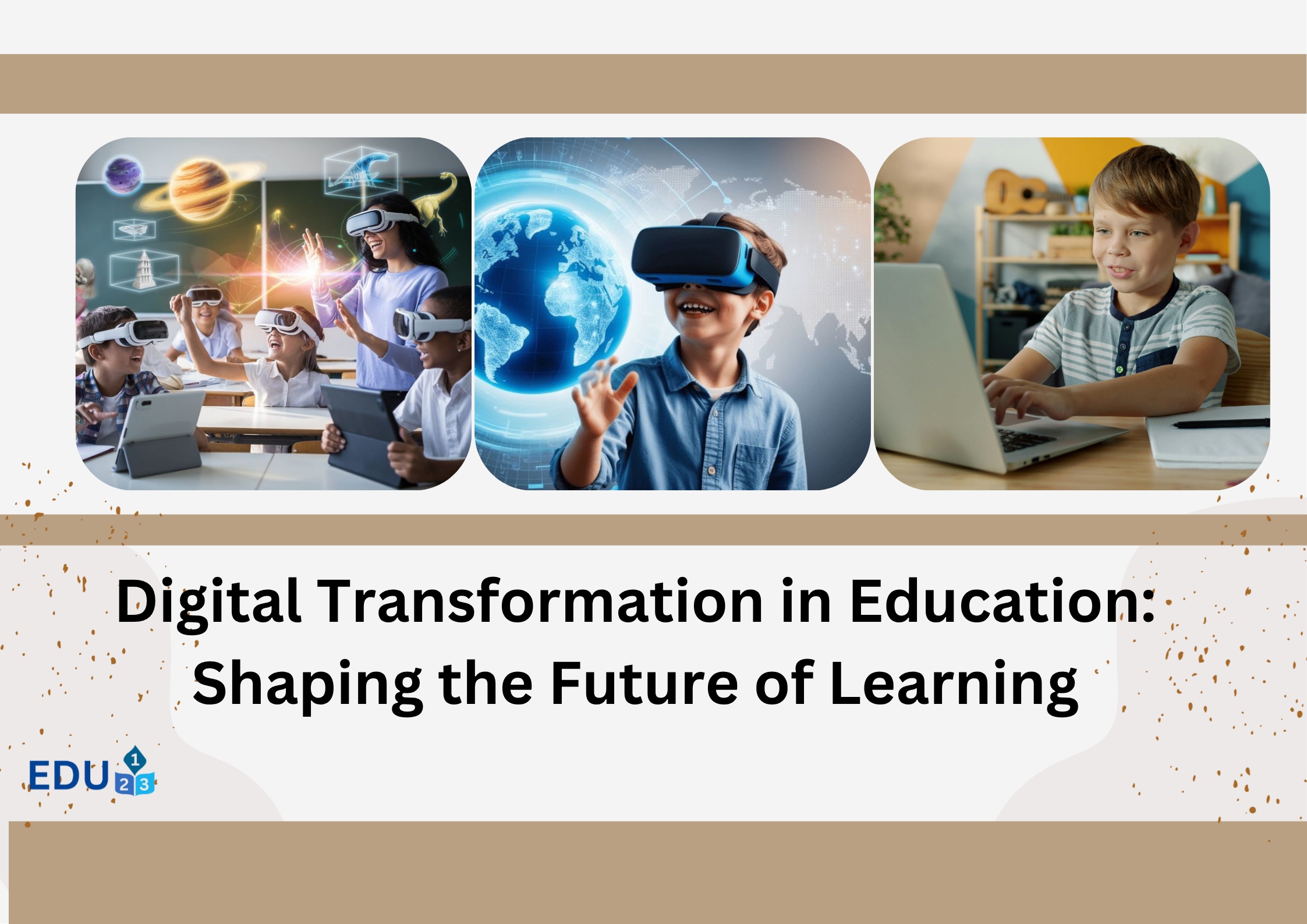

Digital transformation in education refers to the integration of digital technologies, data systems, and innovative teaching methodologies to fundamentally improve how learning is delivered and experienced. It goes well beyond purchasing laptops or setting up a school website — it is about reimagining every aspect of the educational journey through a digital lens. As a result, students gain access to personalized, engaging, and accessible learning experiences that were simply not possible in traditional classrooms.
At its core, digital transformation encompasses changes to curriculum design, instructional strategies, administrative processes, and institutional culture. It involves tools like learning management systems (LMS), artificial intelligence, cloud computing, virtual reality, and data analytics working together to create smarter, more responsive educational ecosystems. Consequently, institutions that fully commit to this process gain a powerful competitive advantage in attracting students and delivering measurable outcomes.
Digital Transformation vs. Digitization vs. Digitalization
It is important to distinguish between three often-confused terms. Digitization means converting physical content—like textbooks—into digital formats. Digitalization means using digital tools to improve existing processes. Digital transformation, however, goes much deeper: it involves changing the organizational culture, strategy, and value proposition of education itself. Understanding this distinction helps institutions make smarter investments and set realistic, impactful goals. As educational expectations continue to evolve, many leading boarding schools in Dehradun are embracing digital transformation to create more innovative, efficient, and student-centered learning environments.
Why Digital Transformation Matters for Modern Education

The urgency of digital transformation in education has never been greater. Today’s learners are digital natives who expect technology to play a central role in their education. Moreover, the demands of the modern workforce require graduates to be not only knowledgeable but also digitally fluent, adaptable, and capable of leveraging technology to solve complex problems. Institutions that fail to evolve risk becoming irrelevant in a rapidly shifting educational landscape.
Beyond student expectations, digital transformation addresses systemic challenges that have long plagued traditional education — limited access to quality learning resources, geographic barriers, inflexible pacing, and inconsistent teaching quality. By leveraging technology strategically, educational institutions can deliver high-quality learning to more students, more equitably and efficiently than ever before. Additionally, data-driven insights allow for continuous improvement of programs and instructional methods at scale.
Key Technologies Driving Digital Transformation in Education
Several powerful technologies are at the heart of digital transformation in educational institutions worldwide. Each plays a distinct role in enhancing access, personalization, efficiency, and engagement across the learning ecosystem. The table below provides a clear overview of the most impactful tools shaping modern education in 2026.
| Technology | Role in Education | Key Benefit | 2026 Adoption Level |
|---|---|---|---|
| Artificial Intelligence (AI) | Personalized learning, automated grading, predictive analytics | Tailored student pathways | High — mainstream |
| Learning Management Systems | Course delivery, tracking, communication | Centralized learning hub | Very High — universal |
| Cloud Computing | Remote access, storage, collaboration | Flexible, scalable learning | High — standard |
| Virtual & Augmented Reality | Immersive simulations, virtual labs | Experiential learning at scale | Growing — early majority |
| Big Data & Learning Analytics | Student performance monitoring, curriculum refinement | Evidence-based decisions | High — expanding rapidly |
| Gamification Platforms | Engagement, motivation, reward systems | Increased learner retention | Moderate — growing fast |
| Blockchain Credentials | Verified degrees, micro-credentials, digital transcripts | Trustworthy qualification records | Emerging — accelerating |
As shown in the table, digital transformation in education is supported by a diverse and rapidly maturing technology stack. Importantly, the most successful institutions do not deploy these tools in isolation they integrate them into a coherent, student-centered digital strategy. This holistic approach maximizes return on investment and ensures that technology genuinely enhances the learning experience rather than simply adding complexity.
Core Benefits of Digital Transformation in Education

Implementing a well-planned digital transformation strategy delivers wide-ranging benefits that extend far beyond the classroom. From improved accessibility and personalization to greater operational efficiency and better student outcomes, the advantages are both profound and measurable. Here are the most significant benefits educational institutions experience when they commit fully to this transformation:
- Personalized Learning Journeys: Digital transformation enables adaptive technologies that tailor content, pacing, and assessments to each student’s unique learning style and ability level, dramatically improving engagement and achievement.
- Greater Accessibility and Inclusion: Technology breaks down geographic, physical, and socioeconomic barriers, allowing students in remote or underserved communities to access high-quality educational resources.
- Real-Time Data and Insights: Learning analytics tools provide educators and administrators with instant, actionable data on student performance, enabling early interventions and evidence-based instructional adjustments.
- Improved Collaboration: Digital platforms facilitate seamless collaboration between students, teachers, and institutions — whether they are in the same room or across different continents.
- Operational Efficiency: Automating administrative tasks such as attendance, grading, and scheduling frees educators to focus on what matters most — teaching and mentoring students.
- Future-Ready Skills Development: By immersing students in digital environments, institutions naturally develop critical digital literacy, problem-solving, and technology skills employers demand in 2026 and beyond.
- Scalable Quality: Once digital content and systems are established, institutions can scale high-quality education to thousands more students without proportional increases in cost or resources.
Challenges of Digital Transformation in Education
Despite its clear benefits, digital transformation is not without its challenges. Many institutions face significant obstacles when attempting to modernize their systems, culture, and processes. Understanding these challenges is essential for developing strategies that ensure successful, sustainable change rather than costly, short-lived technology projects.
The Digital Divide
One of the most pressing challenges associated with digital transformation is the persistent digital divide — the gap between students who have reliable access to technology and internet connectivity and those who do not. Without deliberate strategies to address this inequality, digital transformation risks widening existing educational disparities rather than closing them. Consequently, institutions must pair technology investment with equity-focused access programs to ensure no learner is left behind.
Resistance to Change and Cultural Barriers
Organizational resistance is another significant barrier to successful digital transformation. Teachers who are accustomed to traditional methods may feel threatened or overwhelmed by new technologies, while administrators may resist the cultural shift required for true transformation. Therefore, effective change management — including professional development, leadership buy-in, and clear communication of benefits — is as critical as the technology itself.
Data Privacy and Cybersecurity
As educational institutions collect increasing amounts of student data to power their digital transformation initiatives, concerns around data privacy and cybersecurity become more acute. Schools and universities must invest in robust data governance frameworks, staff training, and secure infrastructure to protect sensitive student information. Additionally, compliance with regulations such as GDPR and FERPA is non-negotiable for institutions operating in regulated environments.
Conclusion: Embracing Digital Transformation for a Stronger Educational Future
In conclusion, digital transformation in education is not a trend it is an imperative. As the demands of the global economy evolve and learners’ expectations continue to rise, institutions that embrace thoughtful, strategic digital transformation will produce graduates who are better prepared, more adaptable, and genuinely ready for the challenges of the modern world. The evidence is clear: technology-driven educational systems deliver stronger outcomes, greater equity, and more efficient operations than traditional models alone can achieve.
However, successful digital transformation requires more than purchasing new software or deploying devices. It demands a clear vision, strong leadership, ongoing investment in professional development, and an unwavering commitment to putting learners at the center of every technology decision. Furthermore, institutions must remain vigilant about the risks — particularly around the digital divide, data privacy, and the human element of change management to ensure that transformation is genuinely inclusive and sustainable over the long term.
The most forward-thinking educational institutions in 2026 are not simply those with the most advanced technology — they are those that have built a culture of innovation, collaboration, and continuous improvement supported by smart digital tools. By aligning digital transformation strategy with clear pedagogical goals, these institutions are setting the standard for what education can and should look like in the decades ahead. Whether you are just beginning your digital journey or accelerating an existing initiative, the time to act is now.
Ultimately, the goal of digital transformation in education is not technology for its own sake it is better learning for every student, everywhere. That is a goal worth every effort, investment, and innovation it takes to achieve.