
Artificial Intelligence (AI) is now a part of our everyday lives. It has moved beyond being a concept in science fiction. From unlocking your phone with facial recognition to getting product suggestions online, AI operates quietly in ways we often miss.
While discussions about AI often focus on risks like job loss or ethical concerns, its benefits clearly outweigh the negatives when used responsibly. This article highlights the often-overlooked advantages of AI that are transforming industries, enhancing daily life, and shaping the future.
Understanding AI Beyond the Basics
AI is simply machines or systems that mimic human intelligence by learning, reasoning, and solving problems. But the story goes beyond algorithms and robotics.
The true value of AI is in how its benefits enable us to be more efficient, make better decisions, and improve our quality of life. It’s not solely about technology; it’s about finding smarter solutions for the challenges we face today.
Efficiency and Automation
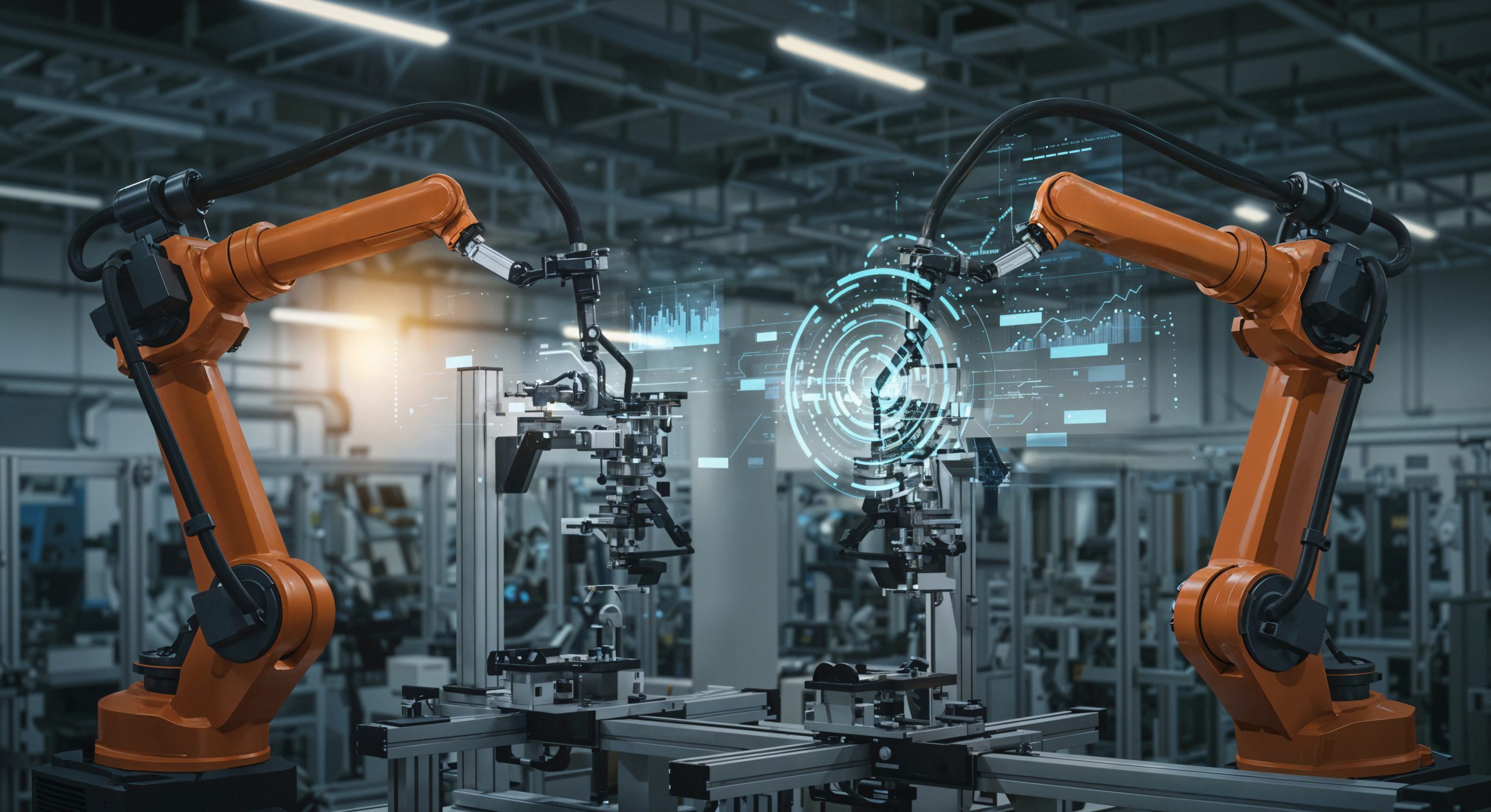
One major advantage of AI is its ability to tackle repetitive and time-consuming tasks. In offices, AI tools automate data entry, manage emails, and streamline workflows.
In manufacturing, AI-powered robots work with precision and consistency, reducing mistakes and speeding up production. This allows human workers to concentrate on creative and strategic tasks, thus boosting productivity across various industries.
Smarter Healthcare Solutions

The healthcare sector has seen some of the most significant advantage of AI. AI systems help doctors diagnose diseases more quickly and accurately. Machine learning models analyze medical scans to find early signs of cancer, heart problems, or brain disorders.
Beyond diagnosis, AI aids in drug discovery and patient monitoring, leading to more personalized treatment plans. This means patients experience earlier interventions and better care, improving their overall quality of life.
Enhanced Education and Personalized Learning

Education is another area benefiting from AI. Intelligent learning platforms adjust to each student’s pace and style, offering customized lessons that enhance understanding.
AI chatbots provide quick answers to student questions, while teachers gain insights through automated grading and performance tracking. These tools make education more engaging and accessible, especially for students needing extra help or flexible schedules.
Better Decision-Making and Predictions

AI is great at examining large amounts of data and spotting patterns that humans might overlook. Businesses use AI to predict trends, reduce risks, and understand consumer behavior. In finance, AI identifies fraudulent activity and informs investment strategies.
Governments and organizations also utilize AI to forecast natural disasters, manage traffic, and create smarter cities. These examples show one of AI’s strongest advantages: its ability to enhance human decision-making with accuracy and insight.
Innovation in Daily Life

The advantages of AI reach well beyond corporate and institutional settings. In daily life, we use AI-driven tools without even thinking about it. Navigation apps find the fastest routes, voice assistants provide instant answers, and smart home devices learn our habits to enhance comfort and security. These conveniences make our lives easier, safer, and more efficient.
Environmental and Sustainability Benefits

A crucial but less discussed aspect of AI is its role in environmental sustainability. AI systems monitor climate patterns, optimize energy use, and reduce waste throughout supply chains. In agriculture, AI predicts crop diseases and improves irrigation methods, helping to increase yields with fewer resources. These hidden benefits are vital in the battle against climate change and in creating a more sustainable future.
Improved Accessibility

AI is also helping people with disabilities. Technologies like speech recognition, real-time translation, and text-to-speech allow individuals to communicate and engage more easily. AI-powered screen readershelp visually impaired users access digital content. These innovations showcase how AI benefits efforts to create a more inclusive world.
Overlooked Social and Economic Benefits
While some critics claim that AI takes jobs away, the truth is more complex. AI creates new opportunities in fields like robotics, machine learning, and data science. It also encourages entrepreneurship by lowering barriers for startups with limited resources. Additionally, AI’s ability to reduce costs and enhance efficiency makes services like healthcare and education more affordable and accessible.
Balancing Advantages with Challenges

Recognizing advantages of AI does not mean we can ignore the risks. Concerns such as algorithm bias, data privacy, and job displacement are significant challenges that need to be addressed. By emphasizing ethical AI development and responsible policies, we can ensure that AI’s benefits continue to support humanity without compromising our values or fairness.
FAQs(Frequently Asked Questions)
Q1. What are the main advantages of AI in daily life?
Ans. The main advantages of AI in daily life include smarter navigation, voice assistants, personalized recommendations, and smart home devices that make everyday tasks easier and more efficient.
Q2. Can advantages of AI improve education?
Ans. Yes, AI provides personalized learning experiences, automates grading, and helps students with instant query resolution. These advantages of AI make education more accessible and engaging.
Q3. Can AI really boost workplace productivity?
Ans. Yes, AI automates repetitive tasks, analyzes large datasets, and provides insights that help employees focus on strategic and creative work.
Q4. How does AI improve accessibility for people with disabilities?
Ans. Voice assistants, real-time transcription, and AI-driven screen readers make technology more inclusive and easier to use for differently-abled individuals.
Q5. Are there risks associated with relying too much on AI?
Ans. Yes, risks include data privacy issues, algorithm bias, and over-dependence, which is why ethical and responsible use is crucial.
I like how you highlighted the less obvious benefits of AI, like sustainability and accessibility—those often get overlooked in mainstream discussions. It’s interesting to think about how AI isnAI blog comment writing’t just about efficiency but also about creating opportunities for more inclusive education and smarter resource management. Do you think we’ll see wider adoption of AI in addressing climate challenges over the next few years?