
In the realm of education, student behavior plays a pivotal role in shaping academic outcomes and fostering a conducive learning environment. Educationalists and specialists consistently emphasize the importance of understanding and guiding student behavior to unlock their full potential.
This article explores actionable strategies to optimize student behavior, improve classroom dynamics, and enhance academic performance, all while ensuring content is mobile-friendly and accessible.
Understanding Student Behavior in Educational Settings
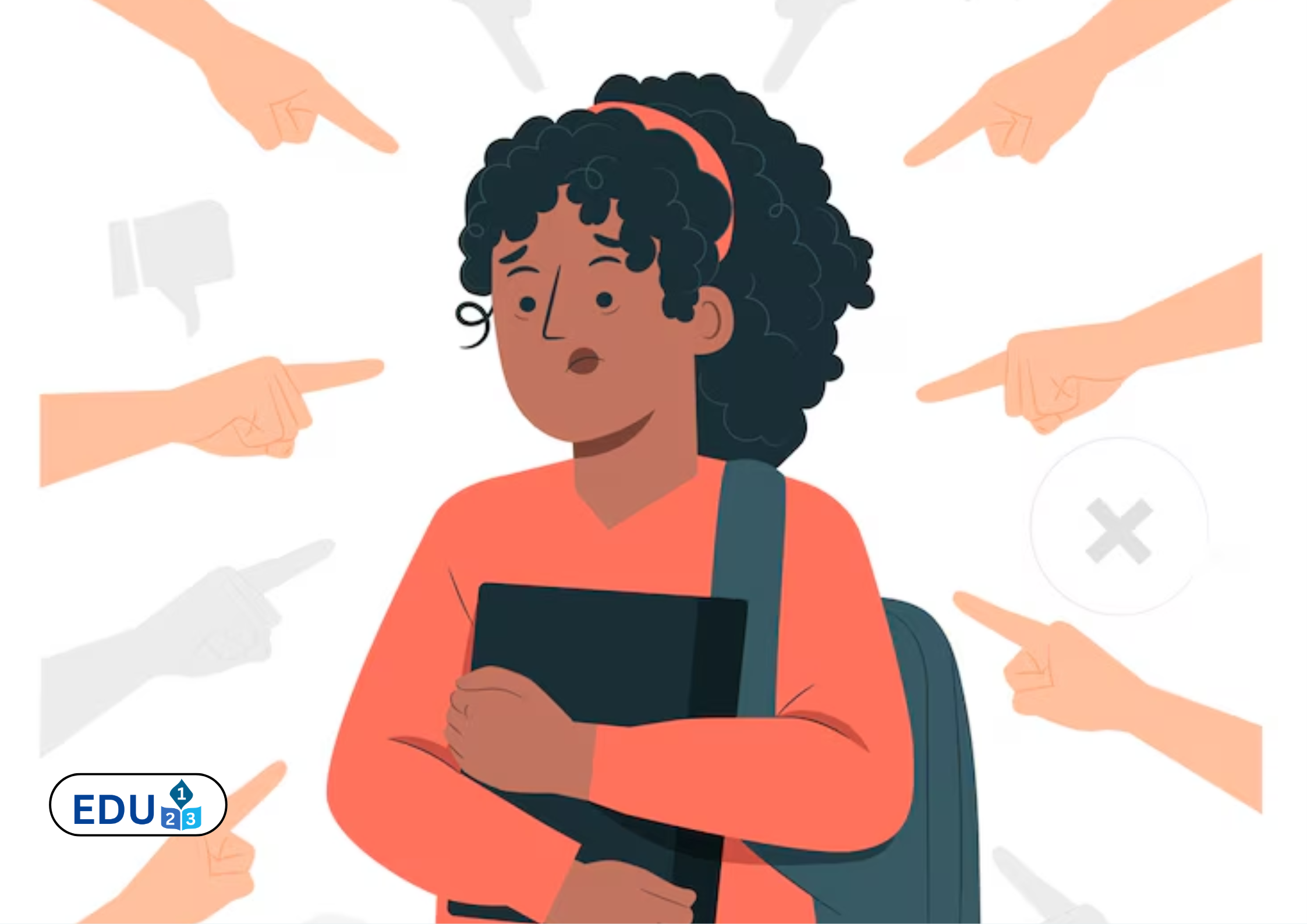
Student behavior encompasses the actions, attitudes, and interactions students exhibit in academic environments. Educationalists note that behavior directly impacts learning outcomes, as positive behaviors like attentiveness and collaboration foster success, while disruptive behaviors can hinder progress. Specialists in child psychology suggest that behavior is influenced by factors such as environment, motivation, and emotional well-being.
Key Influences on Behavior: Home environment, peer interactions, and teacher expectations.
Role of Educationalists: Observing and addressing behavioral patterns early to promote positive outcomes.
By understanding these factors, educators can tailor interventions to improve student behavior and create a supportive classroom atmosphere.
The Role of Classroom Management in Shaping Behavior
Effective classroom management is essential for guiding student behavior. Educationalists employ structured techniques to maintain order and encourage positive interactions. A well-managed classroom minimizes disruptions and maximizes learning opportunities, ensuring students remain engaged.
Strategies for Effective Classroom Management
Set Clear Expectations: Clearly communicate rules and consequences to students from the outset.
Positive Reinforcement: Reward good behavior to motivate students, such as verbal praise or small incentives.
Consistent Routines: Establish predictable schedules to create a sense of stability.
Specialists recommend that teachers adapt these strategies to suit diverse learning needs, ensuring inclusivity and accessibility, especially for mobile-friendly learning platforms where students may access materials on smaller screens.
Fostering Positive Student Behavior Through Engagement
Engaging students in meaningful activities is a proven method to enhance behavior. When students are actively involved in their learning, they are less likely to exhibit disruptive tendencies. Educationalists suggest incorporating interactive elements like group projects, hands-on activities, and technology-driven lessons to maintain student interest.
Incorporating Technology for Engagement
Technology, when used thoughtfully, can transform student behavior by making learning more interactive. Mobile-friendly tools like educational apps and online quizzes allow students to engage with content on the go, catering to modern learning preferences. Specialists highlight the importance of ensuring these tools are responsive and easy to navigate on mobile devices, enhancing accessibility.
Addressing Disruptive Behavior Effectively
Disruptive behavior can challenge even the most experienced educators. Specialists advocate for proactive approaches to address issues before they escalate. By identifying the root causes of disruptions—such as lack of motivation or external stressors—educationalists can implement targeted interventions.
Steps to Manage Disruptive Behavior
Identify Triggers: Observe patterns to understand what prompts misbehavior.
Private Conversations: Address issues individually to avoid embarrassment.
Collaborative Solutions: Involve students in creating behavior improvement plans.
These steps, when applied consistently, help redirect student behavior toward positive outcomes, fostering a harmonious classroom environment.
The Impact of Emotional Well-Being on Student Behavior
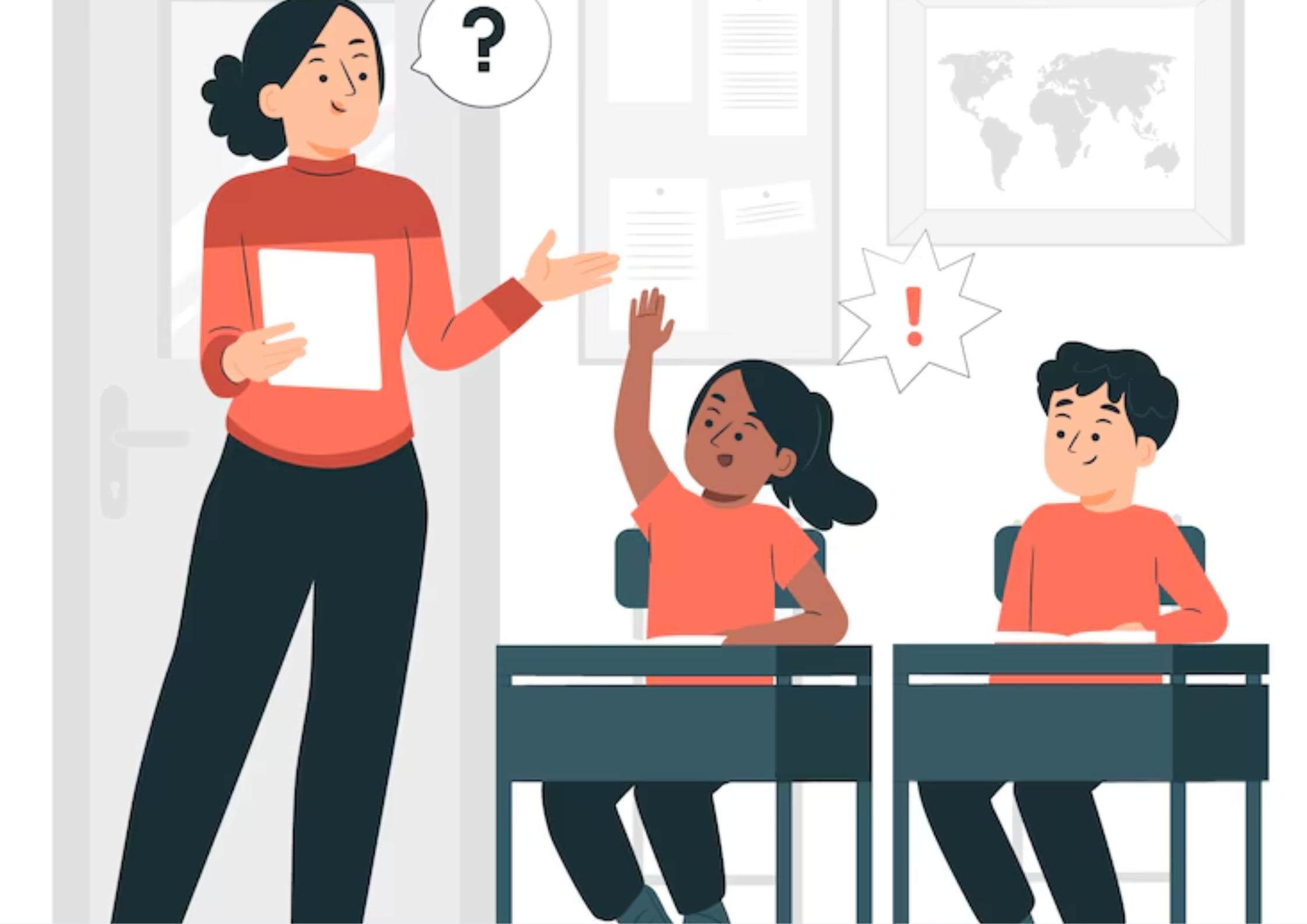
Emotional well-being significantly influences behavior. Students facing stress or anxiety may struggle to focus or behave appropriately. Educationalists emphasize the need for a supportive environment where students feel valued and understood. Specialists recommend integrating social-emotional learning (SEL) programs to equip students with tools to manage emotions effectively.
Benefits of Social-Emotional Learning
Enhances self-awareness and emotional regulation.
Improves peer relationships, reducing conflicts.
Boosts academic performance by fostering a positive mindset.
By prioritizing emotional well-being, educators can cultivate student behavior that supports both personal and academic growth.
Parental Involvement in Shaping Student Behavior
Parents play a critical role in reinforcing positive student behavior. Educationalists encourage open communication between teachers and parents to align expectations and strategies. Regular updates via mobile-friendly platforms, such as school apps or email newsletters, ensure parents stay informed and engaged.
Tips for Parental Involvement
Regular Communication: Share updates on student progress and behavior.
Workshops for Parents: Offer guidance on supporting positive behavior at home.
Collaborative Goals: Set shared objectives for student improvement.
This partnership strengthens the support system around students, enhancing behavior across different environments.
Measuring and Monitoring Behavioral Progress
Tracking student behavior is essential for assessing the effectiveness of interventions. Educationalists use tools like behavior charts and reflection journals to monitor progress. Specialists suggest leveraging mobile-friendly platforms to record and share behavioral data with students and parents, ensuring transparency and accessibility.
Tools for Monitoring Behavior
Behavior Tracking Apps: Mobile-friendly apps allow real-time updates and insights.
Student Self-Assessment: Encourage students to reflect on their behavior, fostering accountability.
By consistently monitoring progress, educators can refine strategies to optimize behavior and support long-term success.
Final Note
Optimizing behavior is a multifaceted process that requires collaboration among educationalists, specialists, parents, and students. By implementing effective classroom management, fostering engagement, addressing disruptions, and prioritizing emotional well-being, educators can create an environment where students thrive