
Physical education—let’s be honest, for many, it’s just “gym class.” But in reality, it’s so much more. It’s the absolute foundation for a life well-lived. It’s the critical piece of the puzzle that ensures you’re not just smart but also healthy, resilient, and ready for whatever life throws at you. In a world where we spend way too much time sitting down, a great physical education program isn’t a luxury; it’s a vital necessity. It’s about helping us build strong bodies, yes, but also sharp minds and unbreakable spirits.
We’re going to break down exactly what physical education means, why it’s so beneficial for every single person, and what its real goals are.
I. Defining P.E.: It’s Not Just Kicking a Ball
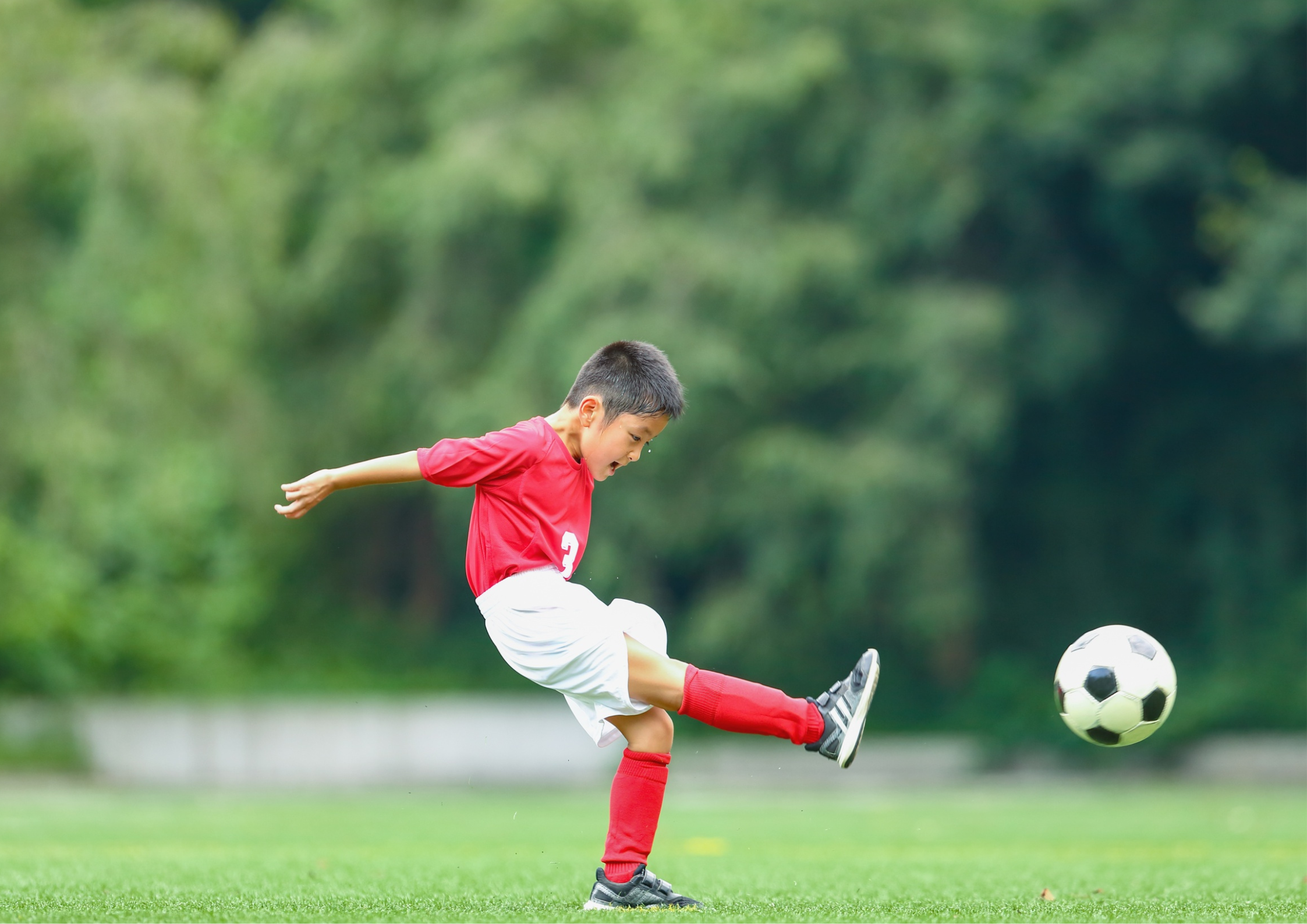
If you think physical education is just about running laps or joining a team, you’re missing the bigger picture. It’s an educational journey that uses movement to help us get the skills, knowledge, and mindset we need to be active forever. It’s a purposeful, structured way to gain competence and confidence in moving your body.
Here’s the key difference: it’s not just about doing sports; it’s about learning through sports and activity.
- Skill Mastery: We learn the basics—how to run properly, throw accurately, and catch confidently. These are life skills, not just athletic ones.
- Knowledge is Power: It teaches us how our bodies work (anatomy), how exercise impacts us (physiology), why safety matters, and how to fuel ourselves right (nutrition).
- The Fitness Blueprint: We figure out what fitness means (cardio, strength, flexibility) and, more importantly, how to actually achieve it ourselves.
- Learning to Be Human: It’s a workshop for teamwork, sportsmanship, and leadership. This is where you learn how to handle winning and losing without losing your cool.
- A Lifelong Habit: Ultimately, physical education empowers you. It gives you the confidence and the enthusiasm to stay active long after school is over.
II. The Massive Wins You Get from Quality Physical Education
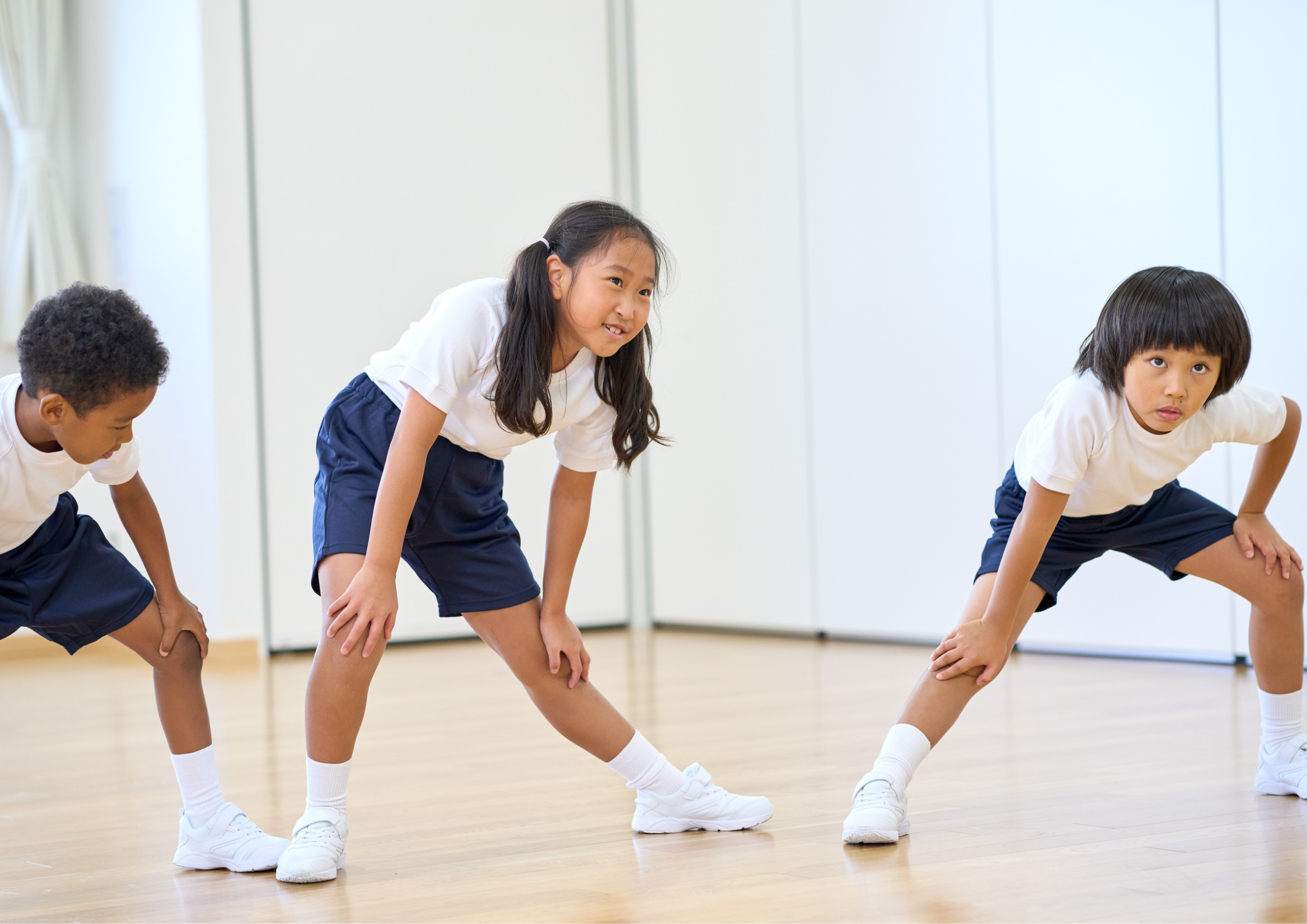
The benefits of a solid physical education program truly spill out into every corner of your life—far beyond the locker room.
A. The Obvious: Physical Health Perks
These are the most direct benefits, and they’re huge:
- Winning the Health Battle: Regular activity—the kind you get in physical education—is the best defense against chronic issues like obesity, heart disease, and diabetes.
- Built to Last: Every jump and stretch helps improve bone density and muscle strength. It’s like building a strong, resilient framework for your future self.
- Heart and Lungs on Turbocharge: Aerobic exercises pump up your cardiovascular system, giving you better stamina for everything—from climbing stairs to chasing goals.
- Better Sleep, Better Life: When your body works hard during the day, it rests deeply at night. Great sleep is essential, and physical education helps deliver it.
B. The Surprise Hit: Mental & Emotional Gains
This is where the magic happens. Your brain loves P.E. just as much as your muscles do.
- De-stress and Recharge: Physical activity is a natural pharmacy; it floods your body with feel-good chemicals (endorphins), melting away stress and lifting your mood.
- Brain Power Boost: Being active actually increases blood flow to your brain, which is a big deal for focusing, remembering things, and solving problems in all your other classes.
- Confidence Unlocked: Successfully learning a new skill in physical education, like sticking a landing or making a shot, is a massive self-esteem boost that transfers directly to other challenges in your life.
- Grit and Resilience: Pushing through a challenging workout or bouncing back after a game teaches you discipline and makes you tough—mentally and emotionally.
C. The Social & Academic Edge
Think of the P.E. classroom as a fast-track course in human interaction.
- Teamwork Makes the Dream Work: Group activities naturally teach you how to communicate, cooperate, and be accountable to others. It’s social skills training in sneakers.
- Character Development: Learning to respect opponents, play fair, and handle defeat gracefully is the essence of good sportsmanship—a trait everyone admires.
- Natural Leadership: Whether you’re organizing a game or motivating a teammate, physical education provides safe, practical ways to practice leading others.
- Smarter in the Classroom: Because P.E. improves concentration and cognitive function, students who are physically active often do better academically. It’s not a break from learning; it’s a pathway to better learning.
III. The Core Aims: Why We Have Physical Education
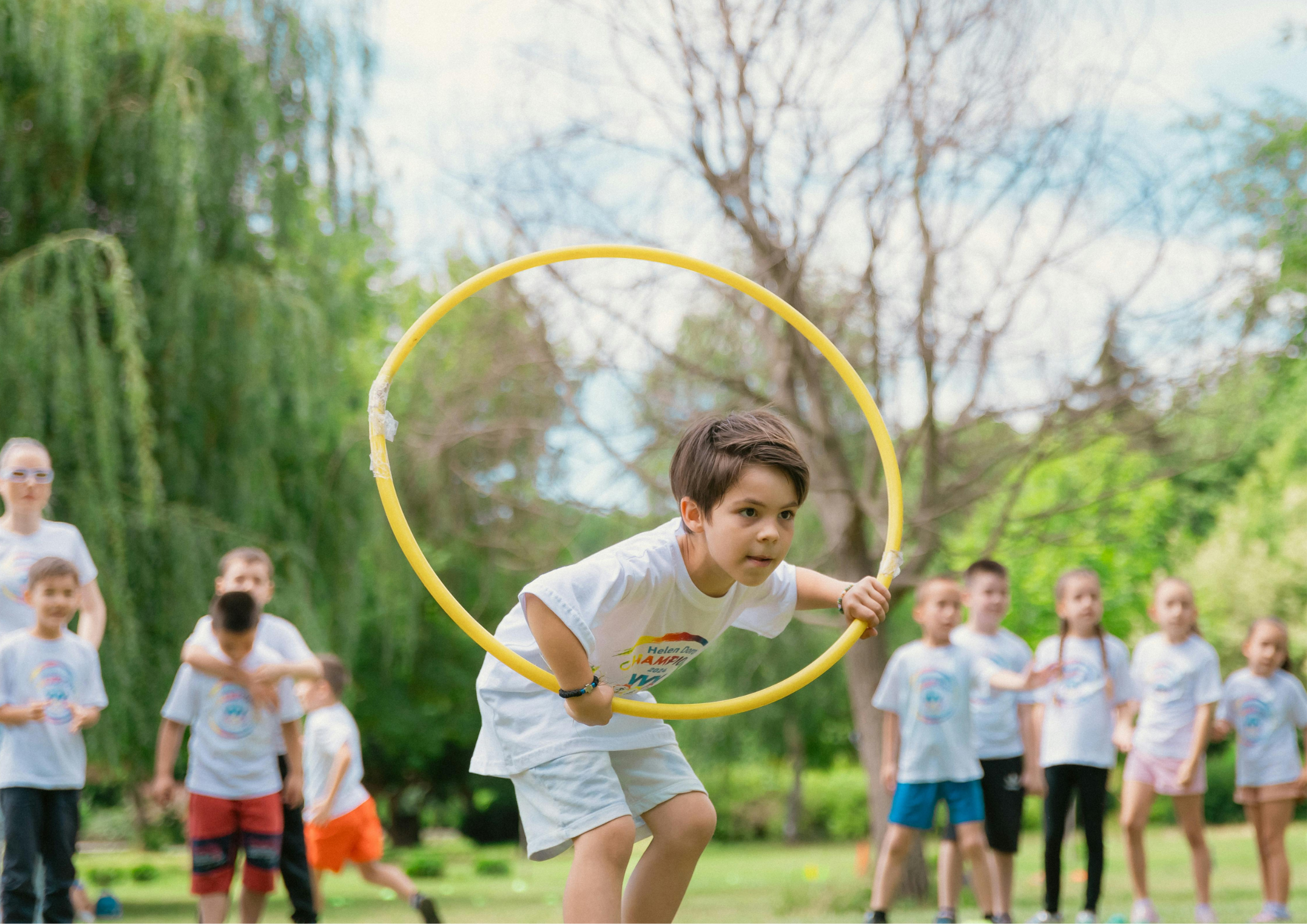
Every great physical education program is designed with these specific, clear-cut goals in mind. They tell the teacher why they’re doing what they’re doing.
- The Movement Goal (Psychomotor): The goal here is simple: to make you physically competent. We want you to be fit—strong, flexible, and energetic—with the basic motor skills you need for any activity.
- The Knowledge Goal (Cognitive): We want you to be smart about your body. This means understanding exercise science, knowing the rules of the game, and making informed choices about your long-term health.
- The Attitude Goal (Affective): This is about shaping your character. Physical education aims to instill values like respect, self-control, persistence, and, most importantly, a genuine love for being active.
- The Social Goal: The objective is to make you a great group member. Learning how to collaborate, lead, and resolve disagreements respectfully is a hallmark of a good physical education experience.
- The Lifelong Goal: The biggest prize is self-sufficiency. Physical education should give you the confidence, knowledge, and motivation to make physical activity a core, enjoyable part of your life—forever.
Frequently Asked Question (FAQ)
1. What is the core definition of physical education (P.E.)?
Answer Physical education is an educational process that uses physical activity to build lifelong health skills and knowledge.
2. Beyond fitness, what is a major mental benefit of P.E.?
Answer Physical education helps reduce stress, lift mood by releasing endorphins, and enhances cognitive function.
3. What is the Affective Development objective of P.E.?
Answer The Affective objective aims to cultivate positive attitudes, self-discipline, sportsmanship, and a love for activity.
4. Why is P.E. considered vital for academic performance?
Answer Activity in physical education improves blood flow and concentration, leading to better focus and results in academic subjects.
5. What is the key difference between P.E. and simply playing sports?
Answer Physical education is systematic learning through activity, while playing sports is simply the act of participation.