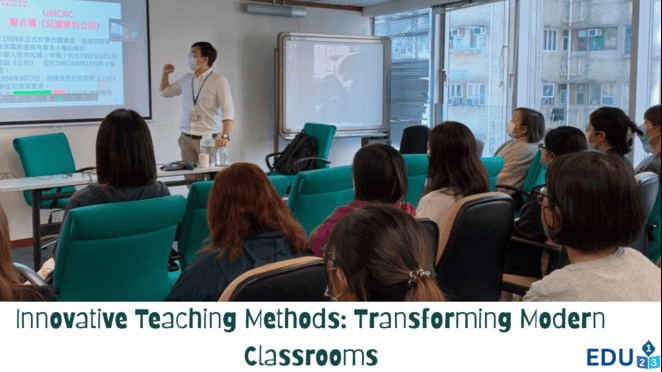

Education is no longer confined to textbooks, chalkboards, and one-way lectures. Today’s learners are more curious, tech-savvy, and eager for interactive experiences. This shift has created a strong demand for innovative teaching methods that make classrooms engaging, dynamic, and future-ready.
By moving beyond traditional approaches, schools are empowering students with creativity, critical thinking, and real-world problem-solving skills.
Why Innovative Teaching Methods Are Needed

The conventional teaching model often focuses on memorization and rigid learning patterns. While this may have worked in the past, modern learners need much more. With rapidly advancing technology, diverse career opportunities, and an emphasis on soft skills, the classroom environment must evolve.
Innovative teaching methods address these needs by encouraging collaboration, curiosity, and adaptability. They transform passive learning into active exploration, preparing students to thrive in a competitive world.
Key Innovative Teaching Methods Reshaping Classrooms
Project-Based Learning (PBL)
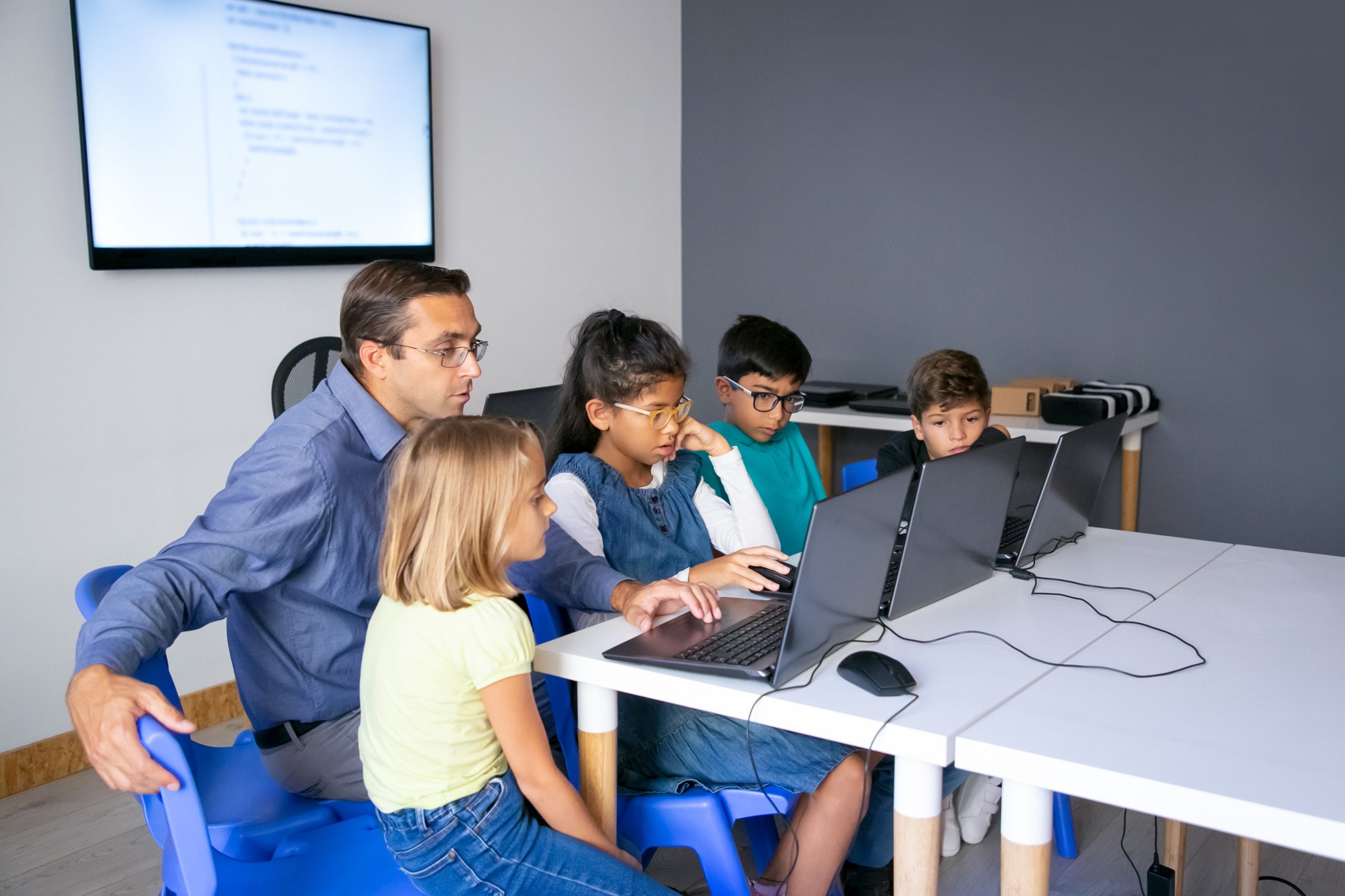
Project-Based Learning allows students to learn through real-world challenges and projects. Instead of memorizing concepts, they apply their knowledge to solve problems, research solutions, and present findings. This method nurtures leadership, teamwork, and practical thinking.
Flipped Classroom Approach
The flipped classroom is one of the most popular innovative teaching methods. Here, students study lessons or watch recorded lectures at home, while classroom time is dedicated to discussions, activities, and problem-solving.
This approach makes learning more student-centered and interactive.
Gamification in Learning
Gamification uses elements of games such as points, levels, and rewards to make learning fun. By turning lessons into challenges, teachers can boost motivation and participation.
Gamification is particularly effective in keeping students engaged in subjects they might otherwise find difficult.
Experiential and Hands-On Learning
Learning by doing is one of the most impactful Innovative Teaching Methods. Whether it’s science experiments, art projects, or business simulations, hands-on learning allows students to experience concepts rather than just read about them.
This enhances memory retention and practical understanding.
Collaborative and Peer Learning
Collaboration helps students learn from one another while building communication and teamwork skills. Group discussions, debates, and peer-to-peer mentoring allow students to explore different perspectives, making the learning process richer and more inclusive.
Integration of Technology
Technology has revolutionized education. Smart classrooms, digital resources, AI-based tools, and interactive platforms are making learning more accessible and engaging.
With technology-driven innovative teaching methods, students can access global resources, personalized lessons, and interactive simulations that bring subjects to life.
Benefits of Innovative Teaching Methods

The impact of innovative teaching methods is visible across all levels of education. Some key benefits include:
Higher student engagement through interactive and fun approaches.
Development of critical thinking and analytical skills.
Personalized learning experiences tailored to individual needs.
Enhanced creativity and problem-solving skills useful in real-life scenarios.
Preparation for future careers by fostering adaptability, communication, and leadership.
These methods help students become active learners rather than passive listeners, ensuring long-term academic and personal success.
Challenges in Implementing Innovative Teaching Methods

While the benefits are undeniable, adopting Innovative Teaching Methods comes with challenges. Many teachers need specialized training to shift from traditional approaches.
Access to technology and digital resources is still limited in some schools, creating a digital divide. Additionally, balancing innovative methods with prescribed curricula can be difficult. However, with proper planning and investment, these barriers can be overcome.
The Future of Education with Innovative Teaching Methods
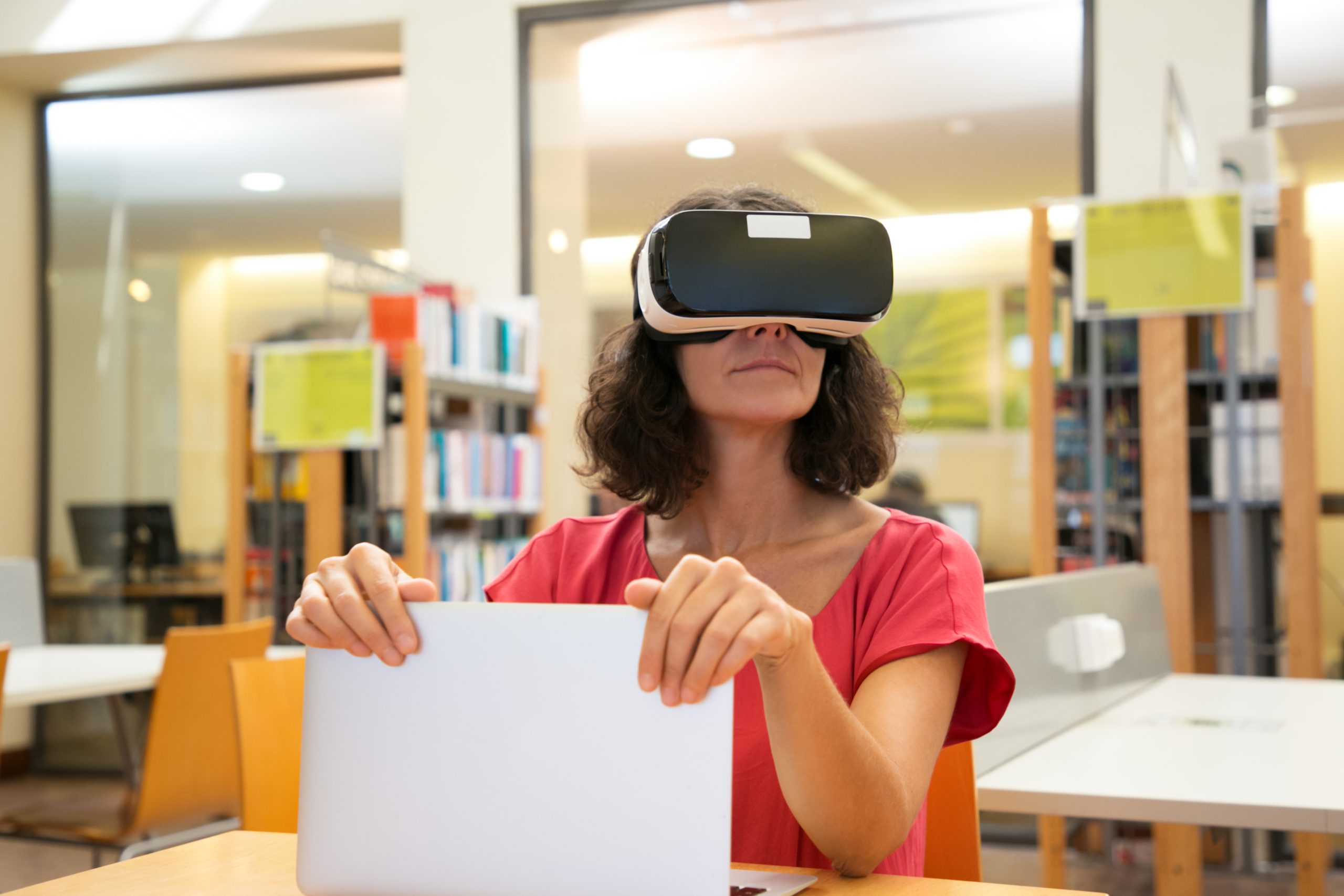
The future of education is rooted in innovation. With advancements in Artificial Intelligence, Virtual Reality, and Augmented Reality, classrooms will become more immersive and interactive.
Teachers will act more as facilitators, guiding students to explore knowledge independently. Innovative Teaching Methods will continue to evolve, focusing not just on academic growth but also on emotional intelligence, collaboration, and lifelong learning.
FAQs (Frequently Asked Questions)
Q1. What makes a teaching method “innovative”?
Ans. A teaching method is considered innovative when it introduces new strategies, technologies, or approaches that make learning more interactive, engaging, and student-focused.
Q2. How does Project-Based Learning fit into Innovative Teaching Methods?
Ans. Project-Based Learning is an innovative method where students work on real-world projects to apply concepts, encouraging problem-solving and critical thinking.
Q3. What is the role of technology in Innovative Teaching Methods?
Ans. Technology enables smart classrooms, online resources, gamified learning, and personalized lessons—making Innovative Teaching Methods more effective.
Q4. How do innovative teaching methods benefit teachers?
Ans. These methods allow teachers to connect with students better, reduce monotony in teaching, and create a more interactive classroom environment. They also help educators adapt to modern educational trends.
Q5. What challenges do schools face in adopting innovative teaching methods?
Ans. Common challenges include lack of resources, need for teacher training, resistance to change, and balancing innovation with standardized curriculum requirements.