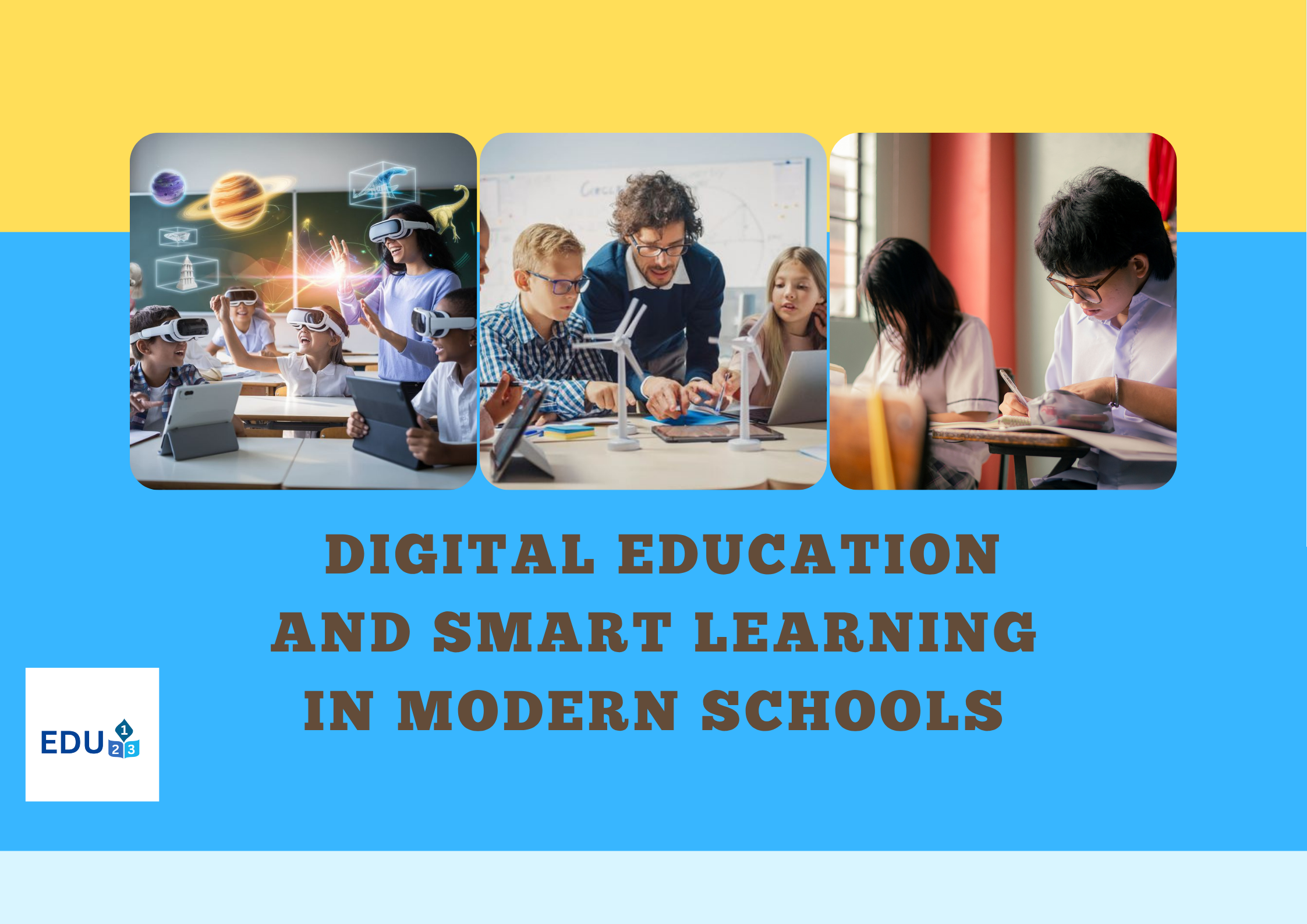

Digital education is no longer a futuristic concept it is the present reality reshaping classrooms around the world. As technology becomes deeply embedded in everyday life, schools are rapidly evolving from chalk-and-board environments into dynamic, connected learning spaces. Students today are engaging with interactive lessons, AI-powered tutoring, and cloud-based tools that make learning more personalized, accessible, and effective than ever before.
The shift toward digital learning brings remarkable benefits not just for students in urban centers, but for learners in remote communities who previously had little access to quality resources. With programs like Learn Digital with Google, even teachers and students with limited tech backgrounds can build foundational digital skills and step confidently into the modern world.
This blog post explores how smart learning technologies are transforming modern schools, adaptive learning what tools are driving the change, and why digital education is the cornerstone of 21st-century schooling.
Why Digital Education Is Transforming Modern Schools
For decades, traditional education followed a one-size-fits-all model. Students sat in rows, teachers lectured from textbooks, and assessments happened on paper. While this model served its purpose, it left behind students who learned at different paces or had unique learning needs.
Digital education changes this dynamic completely. Today’s classrooms are equipped with interactive smartboards, tablets, and high-speed internet. Teachers can customize lesson plans, track student progress in real time, and deliver content through video, animation, and simulation. The result is a richer, more inclusive experience that caters to every kind of learner.
Moreover, digital learning tools provide instant feedback. When a student completes an online quiz or assignment, they receive results immediately — allowing them to understand their mistakes faster and course-correct without delay. This feedback loop is one of the most powerful advantages of modern educational technology.
Furthermore, digital platforms bridge the gap between home and school. Parents can monitor their child’s performance, communicate with teachers, and access learning materials — creating a stronger support ecosystem for student success.
Smart Learning Technologies Powering Today’s Classrooms

Modern schools are adopting a wide range of smart technologies to enhance the learning experience. These tools do far more than digitize textbooks — they create entirely new ways of engaging with knowledge.
| Technology | Purpose | Example Tools |
|---|---|---|
| Learning Management Systems (LMS) | Organize and deliver course content | Google Classroom, Moodle |
| AI-Powered Tutoring | Personalized learning support | Khan Academy, Khanmigo |
| Interactive Whiteboards | Visual and collaborative teaching | SMART Board, Promethean |
| Video Conferencing | Remote and hybrid learning | Zoom, Microsoft Teams |
| Gamification Platforms | Engagement through game-based learning | Duolingo, Kahoot! |
| Cloud Storage & Collaboration | Real-time document sharing | Google Drive, OneDrive |
| AR & VR Tools | Immersive learning experiences | Google Expeditions, CoSpaces |
Each of these technologies plays a distinct role in creating a well-rounded digital education environment. Together, they support visual learners, auditory learners, kinesthetic learners, and everything in between.
Learn Digital with Google: Building Skills for the Future
One of the most impactful initiatives in the digital education space is Learn Digital with Google. Launched as part of Google’s broader commitment to digital inclusion, this program offers free, accessible online courses to help students, educators, and professionals develop essential tech skills.
Through Learn Digital with Google, learners can:
- Master foundational computer and internet skills
- Understand online safety and digital citizenship
- Learn productivity tools like Google Docs, Sheets, and Slides
- Explore career-ready digital marketing and data skills
- Build confidence in using technology for lifelong learning
What makes this program especially valuable is its accessibility. Courses are available in multiple languages, require no prior experience, and can be completed at one’s own pace. For schools in developing regions, Learn Digital with Google acts as a leveler — giving every student an equal opportunity to thrive in the digital economy.
Teachers also benefit tremendously. Through Google’s educator certification programs, teachers can learn how to integrate digital learning tools into their curricula, design engaging lessons, and manage virtual classrooms with ease.
Benefits of Digital Education for Students and Teachers
The advantages of digital education extend to every stakeholder in the school ecosystem. Students, teachers, and school administrators all experience meaningful improvements when smart learning technologies are thoughtfully implemented.
For Students
Digital education empowers students to take ownership of their learning journey. They can revisit recorded lessons, study at their own pace, and access a virtually unlimited library of resources. Students who struggle with traditional classroom settings — due to anxiety, learning disabilities, or language barriers often thrive in digital environments where they can engage without pressure.
Additionally, digital learning fosters collaboration. Students can co-create documents, collaborate on group projects in real time, and connect with peers across the globe developing not just academic knowledge, but the communication and teamwork skills employers value most.
For Teachers
Teachers equipped with digital education tools spend less time on administrative tasks and more time on meaningful instruction. Automated grading, attendance tracking, and progress reports free educators to focus on what matters — teaching and mentoring. Moreover, digital learning platforms give teachers data-driven insights into student performance, enabling them to identify struggling students early and provide targeted support.
Through resources like Learn Digital with Google, teachers also stay current with evolving technologies, ensuring they remain effective guides in an increasingly digital world.
Challenges in Implementing Digital Education
Despite its many benefits, the road to full digital education integration is not without obstacles. Schools especially in lower-income areas face significant challenges:
Infrastructure Gaps: Reliable internet connectivity and device availability remain uneven. Without these basics, even the best digital learning platforms cannot function. Governments and NGOs must invest in broadband infrastructure and affordable device programs.
Teacher Training: Technology is only as effective as the person using it. Many teachers lack adequate training in digital education tools, leading to underutilization of available resources. Ongoing professional development, including programs like Learn Digital with Google, is essential.
Screen Time Concerns: Excessive screen exposure raises questions about eye health, posture, and attention spans particularly for younger students. Schools must balance screen-based learning with physical activity and face-to-face interaction.
Digital Divide: Not all students have equal access to technology at home. When homework or assignments require internet access, students without it are placed at a disadvantage reinforcing existing inequalities.
Addressing these challenges requires coordinated effort between governments, schools, tech companies, and communities. The goal is not just to digitize education, but to make digital education truly equitable and inclusive.
The Future of Digital Education in Schools

Looking ahead, the future of digital education is both exciting and transformative. Artificial intelligence will play a central role personalizing learning paths for each student, predicting academic difficulties before they become crises, and offering real-time coaching through conversational AI tutors.
Augmented reality (AR) and virtual reality (VR) will take digital learning to entirely new dimensions. Imagine history students walking through ancient Rome, biology students exploring the human body from the inside, or engineering students building virtual prototypes all within a classroom setting.
Meanwhile, blockchain technology may soon be used to store and verify academic credentials, making it easier for students to share their qualifications with universities and employers worldwide. The integration of digital education with credentialing systems will create a more transparent and efficient educational pipeline.
Programs like Learn Digital with Google will continue evolving alongside these trends equipping the next generation with skills that are not just relevant today, but adaptable to the demands of tomorrow.
Conclusion
Digital education is reshaping the foundations of learning in ways that previous generations could never have imagined. From AI-powered tutors to immersive virtual classrooms, modern schools are becoming dynamic hubs of smart learning. The shift is not just about adding screens to classrooms it is about fundamentally rethinking how knowledge is delivered, received, and applied.
As digital learning continues to evolve, it is essential that schools, governments, and communities work together to close the digital divide and ensure every student regardless of geography, income, or ability has access to quality digital education resources.
Initiatives like Learn Digital with Google are proof that impactful change is possible at scale. By equipping learners and educators with the tools and knowledge they need, we build a future where education is not just smarter, but more compassionate, equitable, and human.
Frequently Asked Questions (FAQs)
Q1. What is digital education?
Ans. Digital education refers to the use of digital technologies such as computers, tablets, the internet, and software platforms — to deliver, enhance, and manage the learning process. It includes online courses, e-learning platforms, virtual classrooms, and AI-powered tutoring systems.
Q2. How does digital learning benefit students?
Ans. Digital learning offers personalized, self-paced study options, instant feedback, access to vast online resources, and collaborative tools. It supports diverse learning styles and helps students develop digital skills essential for the modern workforce.
Q3. What is Learn Digital with Google?
Ans. Learn Digital with Google is a free online program by Google that helps individuals build digital skills from basic internet use to advanced tools like data analytics and digital marketing. It’s designed for students, teachers, and working professionals alike.
Q4. What are the main challenges of digital education in schools?
Ans. Key challenges include limited internet infrastructure, unequal device access, inadequate teacher training, concerns about excessive screen time, and the digital divide between privileged and underprivileged students.
Q5. How can teachers improve their digital education skills?
Ans. Teachers can improve their digital skills through professional development programs, Google Educator Certification, platforms like Coursera and edX, and free resources such as Learn Digital with Google.
Q6. Is digital education suitable for all age groups?
Ans. Yes, with appropriate adaptations. Younger students benefit from gamified, visual-heavy content with limited screen time, while older students can handle more complex platforms and self-directed learning environments.
Q7. What is the future of digital education?
Ans. The future includes AI-driven personalized learning, AR/VR immersive experiences, blockchain-verified credentials, and wider global access through affordable mobile technology all aimed at making education smarter, fairer, and more effective for every learner.