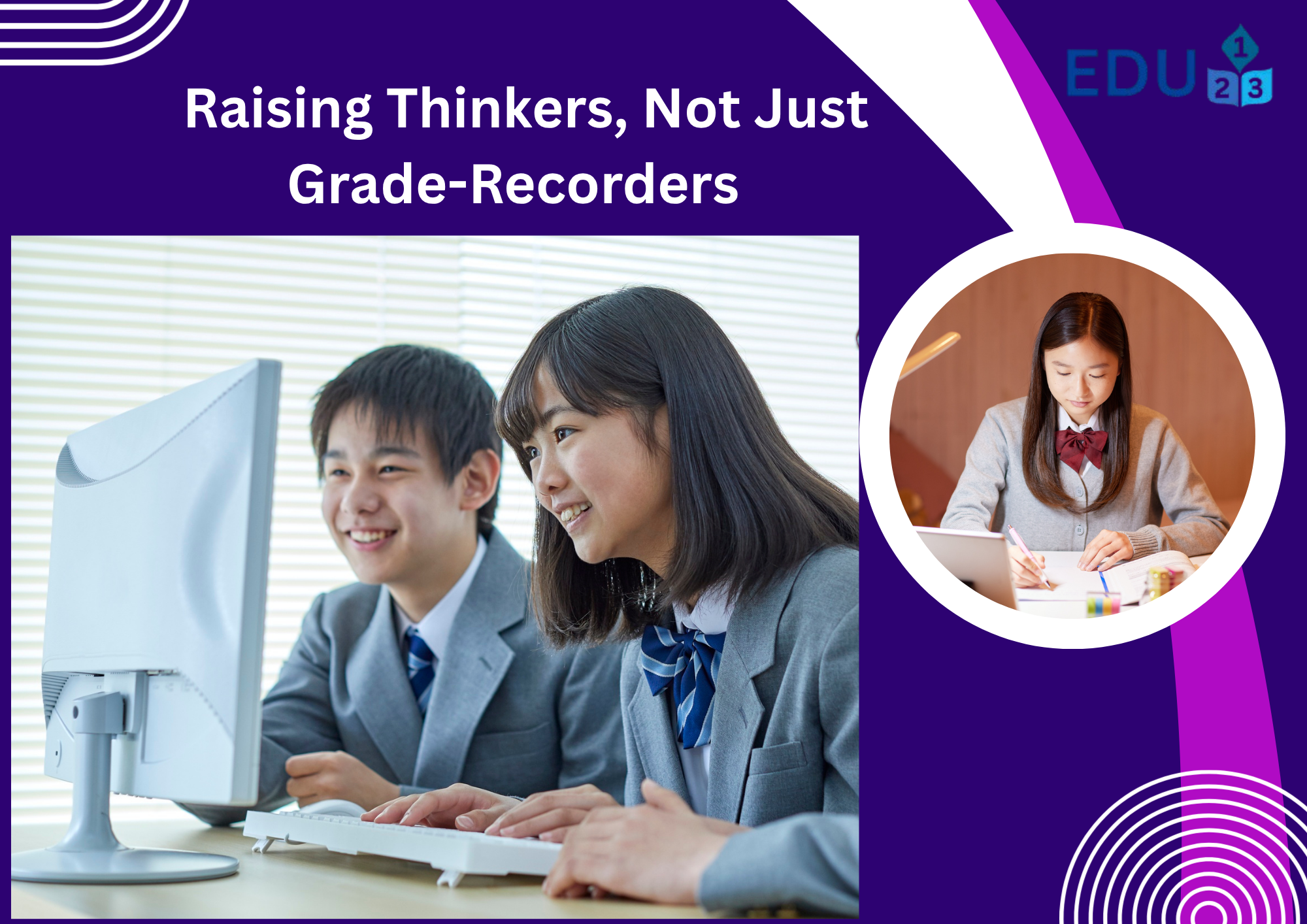

The world is moving fast. Our job as parents, teachers, and schools isn’t just to load kids up with facts from a textbook or train them to ace a multiple-choice test. The real challenge is to help them think for themselves from learning environment ask hard questions, and actually use what they learn to solve problems.
We need to raise thinkers, not just learners who can spit back information. That’s how we prepare kids to adapt, innovate, and thrive no matter what the future throws at them.
More Than Memorizing: The Shift in How We Teach
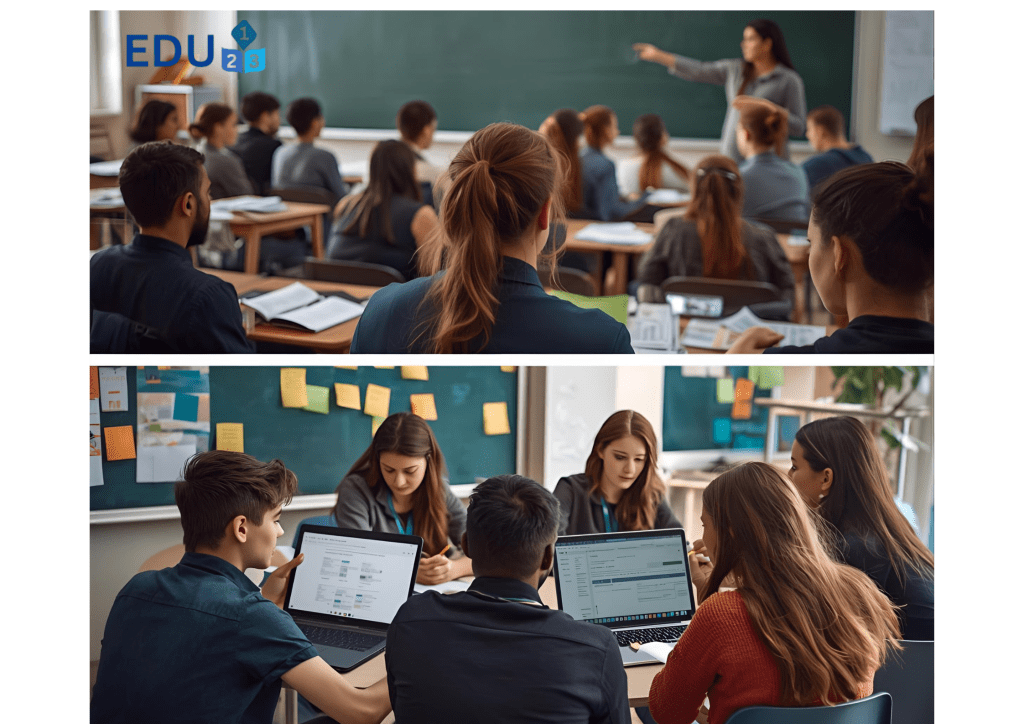
For decades, school meant repetition. Students were rewarded for being human photocopiers—just reproduce the dates, the equations, and the names on the test. This taught them what to think, but not how to think.
But real life isn’t a neat, organized exam paper. Real-world problems are messy! They demand creativity, gutsy critical thinking, and making smart choices even when you don’t have all the facts. That’s why schools are changing: we’re moving toward learning that’s about discovery, playing with ideas, and figuring things out on your own.
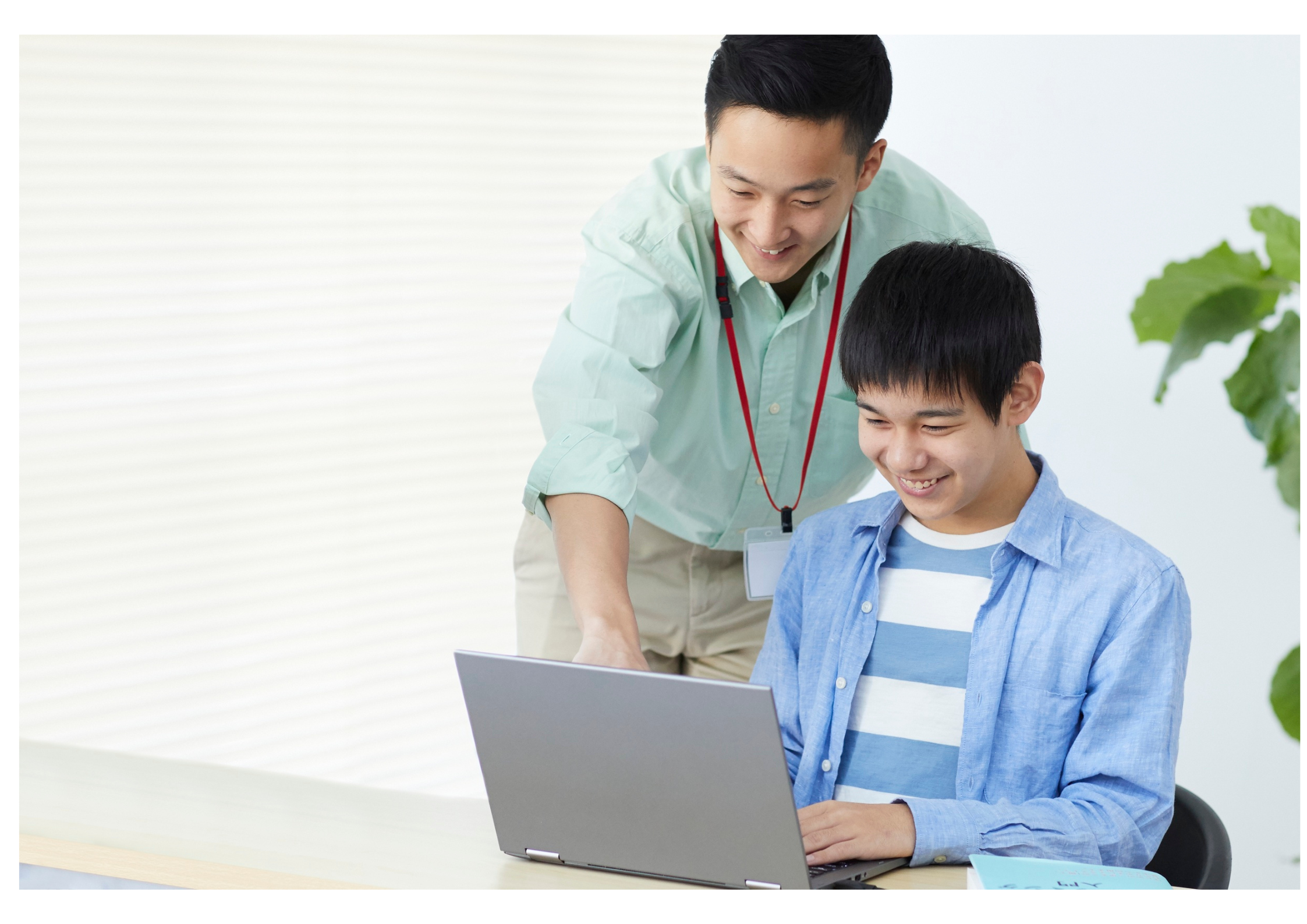
In this new approach, the teacher isn’t the all-knowing boss; they become a guide. Instead of just handing out answers, they set up the playground and let kids explore, question, and land on their own conclusions. This sparks curiosity and a quiet confidence—the secret sauce for lifelong thinkers.
The Power of a Positive Learning Environment

The first step in nurturing thinkers is designing a positive learning environment. A classroom shouldn’t feel like a small box where knowledge is just “dropped off.” It should feel like a laboratory or a workshop, where it’s okay to experiment, mess up, and try again.
This positive learning environment goes beyond nice desks and fast Wi-Fi. It’s the vibe. Do kids feel safe enough to ask a “dumb question”? Are they encouraged to respectfully challenge old ideas? Are they shown how what they’re learning connects to the actual world?
When the learning environment is right, kids stop fearing failure. They start seeing mistakes as valuable clues—stepping stones to getting better. This builds the resilience and flexible judgment that every good thinker needs.
Teach Them to Question, Not Just Answer
The biggest step toward raising thinkers is celebrating good questions over “right answers.” We usually grade students on whether they got the answer, but in life, the answer is often hiding. Sometimes, asking the perfect question is the most important step.
Teachers can build this skill by using open-ended tasks and real-world dilemmas instead of abstract exercises. For example, instead of asking, “What causes climate change?” a teacher might ask, “If you were the mayor, how would you balance building new factories with protecting the local river?”
These questions force kids to weigh evidence, look through different eyes, and sharpen their logic. It’s practice for independent thinking.
Smart Use of Technology
Technology has changed everything. Now that any fact is a quick search away, education is no longer about storing information; it’s about making sense of it. Tools like virtual reality and collaboration apps can supercharge learning—if we use them right.
The danger, though, is becoming lazy. If algorithms and AI do all the heavy lifting, kids will forget how to ask tough questions. Technology must boost their thinking, not replace it.
Thinking About How We Think
Thinking isn’t just solving a problem; it’s also knowing how you got to the solution. This is where reflection comes in—thinking about your own thinking.
By having students keep journals or simply talk through their problem-solving steps, we make them aware of their own thought process.
Teamwork Makes the Thinking Stronger
“Independent” thinking doesn’t mean thinking in isolation. Actually, collaboration is one of the best tools for broadening a viewpoint. When students work together, they encounter different perspectives, challenge each other’s assumptions, and must clearly explain their own ideas.
Group projects and peer reviews feel like the real world, where the best solutions usually come from collective wisdom, not a single genius.
Preparing for a Messy, Complex Future
There has never been a more urgent time to build thinkers. Our world is constantly transforming, jobs are evolving, and huge challenges like AI and global trade require wildly creative solutions.
Tomorrow’s innovators can’t just remember old facts. They need to be flexible, ethical decision-makers who can tackle brand-new situations.